

Mental Enrichment for High Energy Dogs: A Complete Guide

Table of Contents
- Why Mental Enrichment Matters for High Energy Dogs
- Best Puzzle Toys for High Energy Dogs
- Scent Work and Nose Games to Build Problem-Solving Skills
- How to Tire Out a Dog Mentally Through Training and Play
- Building a Dog Enrichment Schedule Into Your Daily Routine
- DIY vs. Store-Bought Enrichment: Cost and Effectiveness
- Enrichment for Reactive Dogs and Multi-Dog Households
- Common Mistakes to Avoid When Building an Enrichment Program
- Frequently Asked Questions
Last Updated: September 29, 2026
Why Mental Enrichment Matters for High Energy Dogs
Mental enrichment for high energy dogs isn't a luxury, it's a necessity. Dogs bred for work, those with naturally high drives, and active breeds need more than physical exercise to thrive. A tired body doesn't equal a satisfied mind, and that distinction matters enormously for behavior, health, and your relationship with your dog.
High energy dogs that lack mental stimulation develop problem behaviors: destructive chewing, excessive barking, fence running, and even aggression. These aren't character flaws. They're signs of boredom and frustration. When you provide genuine mental enrichment, you're addressing the root cause, not just managing symptoms.
The real payoff goes beyond stopping unwanted behaviors. Dogs engaged in problem-solving activities show improved self-control, reduced anxiety, and stronger bonds with their owners. Mental work can actually tire a dog more effectively than a two-hour walk. Many owners discover that 30 minutes of focused enrichment activity can transform their dog's behavior more than hours of running around.
Mental enrichment builds cognitive function and keeps aging dogs sharp. It gives high energy dogs an appropriate outlet for their instinctual behaviors, the drive to hunt, search, solve problems, and work. Without it, that energy finds destructive outlets instead.
Best Puzzle Toys for High Energy Dogs
Puzzle toys designed for high energy dogs aren't all created equal. The best ones match your dog's drive level and engagement style. A toy too simple gets ignored; one too difficult causes frustration.
Start with puzzle toys that require moderate problem-solving. Food-dispensing toys that require rolling, pushing, or manipulation work well for most high energy dogs. These toys combine physical and mental engagement, the dog must figure out how to access the reward while staying motivated by the food-dispensing mechanism.
Look for durability as your primary filter. High energy dogs apply serious force. Toys that crack, splinter, or fall apart after a few sessions waste money and create safety hazards. Blanco's Pet Store offers a carefully curated selection of pet essentials, including engaging toys.
Rotate your puzzle toys regularly. A toy your dog solved last week becomes boring this week. Keeping three to four different puzzle toys in rotation maintains novelty and engagement. Hide them away and bring them out on different days to reset the challenge.
Progressive difficulty matters. Start with easier puzzles and gradually introduce more complex ones as your dog masters each level. This progression prevents frustration while keeping the mental challenge fresh.
Scent Work and Nose Games to Build Problem-Solving Skills
Scent work taps into one of your dog's most powerful instincts: the ability to track and identify odors. For high energy dogs, nose work provides intense mental engagement in relatively short sessions. A 15-minute scent work game can deliver the mental fatigue of a 45-minute walk.
Hide treats around your home and encourage your dog to search. Start simple, hide treats in obvious locations where your dog can find them quickly. This builds confidence and teaches the game. Gradually increase difficulty by hiding treats under cushions, inside boxes, or in less obvious spots.
Sniff walks transform regular walks into enrichment activities. Instead of maintaining a steady pace, allow your dog to stop and sniff as much as they want. Let them follow scent trails, investigate interesting spots, and decompose their environment through smell. These walks satisfy the instinctual behavior that high energy dogs crave.
Create scent work games using household items. Scatter treats in a muffin tin and cover each cup with a tennis ball. Your dog must remove the ball to access the treat. Or hide treats in a towel rolled loosely and let your dog unroll it to find the reward. These DIY games cost almost nothing and engage your dog's problem-solving skills.
Hide and seek games combine scent work with relationship building. Hide yourself in another room and call your dog. Reward heavily when they find you. Gradually increase hiding spots and difficulty. This game builds engagement and impulse control while providing mental stimulation.
How to Tire Out a Dog Mentally Through Training and Play
Training Sessions as Mental Exercise
Structured training sessions deliver concentrated mental work. A 20-minute training session where your dog learns new commands or refines existing ones produces genuine mental fatigue. Training requires focus, impulse control, and problem-solving, exactly what high energy dogs need.
Keep training sessions short and frequent rather than long and sporadic. Five to ten minutes, several times daily, works better than a single 30-minute session. High energy dogs struggle to maintain focus for extended periods, and breaking training into chunks prevents frustration and maintains enthusiasm.
Vary what you train. Teach new commands, practice existing ones, work on impulse control exercises, or combine commands into sequences. The novelty and challenge keep your dog engaged. Training that feels like play, with rewards, enthusiasm, and varied activities, becomes something your dog actively seeks out.
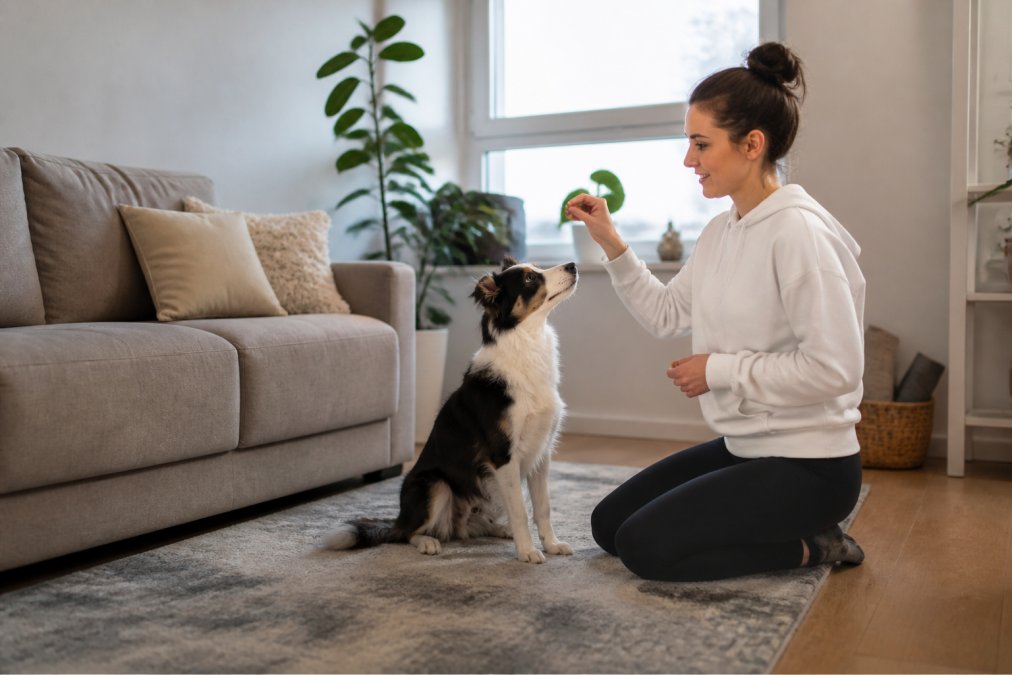
Advanced training like agility work, scent detection, or trick training provides serious mental engagement. These activities combine physical and mental demands in ways that satisfy high energy dogs' need for purpose and challenge.
Hide and Seek Games and Search Activities
Hide and seek games engage your dog's prey drive and problem-solving instincts simultaneously. Start by hiding a toy or treat in plain sight and encouraging your dog to find it. As your dog understands the game, hide items in increasingly difficult locations. This progression keeps the activity challenging without becoming frustrating.
Search games in controlled environments, your backyard or a designated room, provide safe outlets for the hunting behaviors high energy dogs possess. Hide multiple treats or toys and let your dog systematically search the space. This activity satisfies the instinct to hunt and search while burning mental energy.
Combine search games with training cues. Hide a treat and use a "search" command.
Building a Dog Enrichment Schedule Into Your Daily Routine
Consistency matters more than intensity. A structured enrichment schedule, where your dog knows enrichment activities happen at specific times, creates anticipation and helps decompose their energy throughout the day rather than allowing it to build.
DIY vs. Store-Bought Enrichment: Cost and Effectiveness
DIY enrichment options cost significantly less than commercial products. A muffin tin puzzle toy costs under two dollars. Rolled towels with hidden treats cost nothing. Cardboard boxes filled with crumpled paper and treats provide free enrichment. For budget-conscious owners, DIY solutions provide legitimate value.
Enrichment for Reactive Dogs and Multi-Dog Households
Reactive dogs need enrichment designed around their specific triggers and anxieties. High energy combined with reactivity creates particular challenges. Enrichment activities must burn energy while keeping the dog calm enough to process their environment.
Common Mistakes to Avoid When Building an Enrichment Program
The biggest mistake is treating enrichment as optional or sporadic. Dogs don't benefit from enrichment activities that happen randomly. Consistency builds habits and delivers real behavior change. Commit to a schedule and treat it like any other responsibility.
Frequently Asked Questions
How can I mentally tire out a high energy dog?
Mental enrichment activities like puzzle toys, scent work, and training sessions engage a dog's problem-solving abilities and cognitive function more effectively than physical exercise alone. A 15-30 minute mental enrichment session can tire out a high energy dog as much as an hour of physical play. Rotate different activities daily to prevent boredom and maintain engagement with the enrichment program.
What are the best puzzle toys for high energy dogs?
Look for food-dispensing toys that require your dog to work for treats, such as durable rubber toys with adjustable difficulty levels, snuffle mats for nose work, and interactive puzzle boards. High energy dogs respond best to toys that challenge their problem-solving skills and keep them engaged for extended periods. Rotate toys weekly to maintain novelty and prevent habituation.
How should I structure a dog enrichment schedule?
A balanced enrichment schedule includes 15-30 minutes of mental stimulation daily, split into 2-3 sessions. Incorporate puzzle toys in the morning, scent work or training in the afternoon, and sniff walks in the evening. Adjust duration and difficulty based on your dog's age and energy level. Consistency helps establish routine and reduces anxiety-driven behaviors.
Can mental enrichment help with behavioral problems?
Yes. Boredom and lack of mental stimulation are common causes of destructive behavior, excessive barking, and impulse control issues. Regular enrichment activities channel a dog's instinctual behaviors like problem-solving and scent work into appropriate outlets, reducing stress and decompress time needed. Many behavioral issues improve significantly within 2-4 weeks of implementing a structured enrichment program.
What are some DIY mental enrichment ideas I can make at home?
Create a snuffle mat by knotting treats into an old towel, hide treats in a muffin tin covered with tennis balls, or scatter kibble in a cardboard box filled with crumpled paper. Frozen lick mats filled with peanut butter or yogurt provide extended mental engagement. These DIY options cost significantly less than store-bought puzzle toys while offering similar cognitive benefits and engagement.
How long should mental enrichment sessions last?
Most dogs benefit from 15-30 minutes of focused mental enrichment daily, divided into multiple shorter sessions. Start with 10-15 minutes and gradually increase duration as your dog builds problem-solving skills and self-control. High energy dogs may need longer sessions, but monitor for signs of frustration or fatigue and adjust accordingly.
Is mental enrichment suitable for all dog breeds?
Yes, all dogs benefit from mental enrichment, but breed-specific instincts shape which activities work best. Retriever breeds enjoy search and rescue games, terriers thrive with nose work and digging activities, and herding breeds respond well to training sessions and agility work. Tailor enrichment to your dog's natural instincts and energy level for maximum engagement and satisfaction.
Mental enrichment transforms high energy dogs from frustrated, destructive companions into engaged, satisfied animals. The investment in enrichment activities, whether through commercial products from Blanco's Pet Store or thoughtfully designed DIY games, pays dividends in behavior, health, and your relationship with your dog. Start with one enrichment activity this week. Observe what your dog responds to. Build from there. Consistency matters more than complexity.